
Facial Volume Loss: How to Look Refreshed Naturally

When You Feel Great but Look Tired It’s one of the most common things I hear in my office. The cheeks seem flatter, the under-eyes look hollow, and the face has lost some of the fullness it once had, even though you feel healthy and energetic. These changes are a normal part of aging. My goal is never to change who you are. It’s to help you look as rested and balanced as you feel. Why the Face Changes With Age Aging is about more than fine lines. Several structural changes happen at once: Shifting fat compartments can make the cheeks and midface look less full. Declining collagen and elasticity contribute to laxity and wrinkles. Changing contours in the temples, jawline, and under-eyes alter facial proportions. Sun exposure, smoking, and lifestyle speed up visible skin aging. Together, these can make you look tired even when you feel healthy and energetic. The widest point of the face is the mid-face during youth. However, as bone loss and volume loss occurs, the various compartments descend and downward, leading to heavier lower face as we get older. The Triangle of Youth becomes inverted. Where Volume Loss Shows Up Cheeks and midface. The midface anchors facial balance. When it loses support, the face can look flatter. For the right candidate, carefully placed cheek filler can restore structure and provide projection, planned around your existing anatomy rather than simply adding fullness. Under-eyes. Hollowness and shadowing are common concerns, but they have many causes: pigmentation, skin texture, anatomy, and volume loss. Not every under-eye concern is a filler concern, which is why an in-person assessment comes first. Temples. Temple hollowing changes the proportions of the upper face. Restoring it subtly can bring the whole face back into balance. How Does Dr Davé Approach Treatment? There’s no single treatment that works for everyone. Your plan depends on your anatomy, skin quality, medical history, and goals. Dermal fillers restore volume or soften specific lines. I use them to enhance your proportions, not to fill every area. Skin quality treatments address texture, firmness, and collagen. Volume loss and laxity are different problems and often need different solutions. Sculptra, Radiesse, and Microneedling are great options. Combination plans can make sense when you have more than one concern, but more treatment is not automatically better. I recommend only what you need. Natural Results Are the Point The most common fear I hear is looking overdone. My philosophy is simple: good Botox looks like you don’t need Botox and good filler looks like you don’t need filler. That means respecting your anatomy, avoiding unnecessary volume, and setting honest expectations about results and maintenance. Is Filler Right for You? Dermal fillers are medical procedures and aren’t right for everyone. Swelling, bruising, redness, and tenderness are common and temporary. Rare but serious complications include injection into a blood vessel, which can cause tissue damage, vision problems, or stroke. That’s why a thorough consultation covering your history, prior treatments, and risks always comes before any injection. Look Refreshed. Stay Yourself. You don’t need to change your face to feel confident in it. Often the most meaningful results are the subtle ones. Most people benefit from a stacked set of treatments to start off their aesthetic journey – this ensures we address different aspects of aging and rejuvenation. Ready to explore your options? Book a personalized consultation with me at SculptMe Aesthetics. Natural-looking results. Personalized care. Confidence in your own skin. This article is for educational purposes only and does not replace an individual medical consultation. Treatment suitability, risks, and results vary by patient.
Refreshed, Not Reinvented: Rethinking What “Anti-Aging” Should Actually Mean
There’s a moment almost every patient has in a consultation, whether they say it out loud or not: “I don’t want to look like I’ve had anything done. I just want to look like myself again — just less tired.” That sentence is the whole philosophy of good aesthetic medicine, and it’s worth unpacking, because the fear of looking “overdone” is now just as common as the original wrinkle that brought someone in the door. The concerns we actually hear Nobody walks in asking to look 25. What people describe is much more specific, and much more human: A face that looks tired even after a full night’s sleep — hollowing under the eyes, flattened cheeks, a general loss of the “bounce” skin used to have. Lines that are starting to stay etched in even at rest, not just when they smile or frown. A lower face that’s begun to soften and droop along the jawline, with marionette lines forming at the corners of the mouth. Lips that have thinned and lost definition compared to photos from ten or fifteen years ago. Skin that looks duller, more textured, or more uneven in tone than it used to. Almost all of these come down to the same underlying process: loss of volume and structural support (fat pad and bone changes), a slowdown in collagen and elastin production, and cumulative sun and lifestyle exposure on the skin’s surface. Aging isn’t really about wrinkles appearing out of nowhere — it’s about the scaffolding underneath the skin quietly changing shape over decades. Matching the treatment to the actual problem This is where a thoughtful plan differs from a single quick fix. Different concerns call for different tools, and layering them appropriately is what produces a result that reads as “rested,” not “different”: Neuromodulators (Botox, Dysport) soften the dynamic lines caused by repeated muscle movement — the forehead lines, the “elevens” between the brows, crow’s feet. Used conservatively, they relax those lines without freezing natural expression. Hyaluronic acid (HA) fillers address more targeted volume needs — lips, under-eye hollows, cheeks, jawline contouring. Because HA fillers show their result right away and can be dissolved if needed, they’re often used for precise, smaller-volume corrections where control matters most. Radiesse is a calcium hydroxylapatite filler that provides both immediate volume and a longer-term collagen-stimulating effect. It’s particularly useful for areas needing more structural support and lift — the jawline, cheeks, and hands — and tends to hold up well over time as that dual mechanism plays out. Sculptra takes a different approach entirely: rather than adding volume directly, it’s a biostimulator that works by triggering your own body to gradually rebuild collagen over a series of sessions. That’s what makes it so effective for broad, diffuse volume loss across the midface — and why the results appear slowly, in stages, rather than all at once. It’s usually the centerpiece of a longer-term restoration plan rather than a single-visit fix. Microneedling works on the skin’s surface rather than underlying volume — fine controlled needle punctures stimulate the skin’s own repair and collagen response, improving texture, tone, scarring, and overall skin quality. It pairs well alongside injectables as the piece that refines how the skin itself looks, not just its underlying structure. Routine skincare is the daily, unglamorous foundation everything else sits on top of. A consistent regimen — daily broad-spectrum sunscreen, a retinoid, antioxidants, and appropriate hydration — protects the results of in-office treatments and slows the rate of new damage. No injectable or device can fully compensate for unprotected sun exposure, so this is often the highest-leverage, lowest-cost part of any plan. Lip and perioral treatment, usually with HA filler, is about restoring proportion and definition that’s been lost, not about maximizing size. The goal is lips that look like a younger version of that same person’s lips, not a different person’s lips altogether. Why “looking 25 again” reads as fake Chasing maximal youth rather than a natural, rested version of one’s current self is usually what produces the results people find unsettling. An extremely full midface on a 55-year-old face doesn’t read as “youthful” — it reads as unfamiliar, because it doesn’t match the bone structure, skin quality, and proportions that face has actually had for decades. Overfilled lips, an overly smoothed forehead with zero movement, and cheeks pushed well past their natural volume are all recognizable precisely because they’ve stopped matching the rest of the face and the person’s age. The goal I work toward with patients is closer to “you, on a good day, well-rested, five years ago” than “you, at 25.” Those are very different targets, and the second one is what tends to age badly and require increasingly aggressive correction over time. Why a real plan takes months, not one appointment This is probably the least glamorous part of the conversation, and also the most important: you cannot undo several decades of gradual change in a single visit. A treatment plan that actually holds up is usually staged over a few months, for a few reasons. Products like Sculptra work with your body’s own collagen response, which unfolds gradually — results build over weeks and months, not days. Even with fillers that show results immediately, it’s worth letting swelling fully resolve and the product settle before deciding whether more is needed in a particular area. Layering treatments — starting with structure, then refining with smaller adjustments — produces a far more balanced, proportionate result than trying to correct everything in one sitting. And frankly, it gives both patient and provider the chance to see how the face responds and adjust course, rather than committing to a large volume of product before knowing how it will settle. Patients who go in expecting a single dramatic appointment are often the ones who end up overcorrected, because the temptation is to “finish the job” in one visit rather than let the process unfold the way it’s designed to. Maintenance is the part people forget
Dermatologist-Grade Skincare for Every Day

Walk into any beauty retailer and you’ll find hundreds of products all promising the same thing: glowing, youthful, healthy skin. The reality is that most of what lines those shelves is marketing. True skin health is built on a small number of evidence-backed ingredients, applied consistently and in the right order. As a physician-led practice, SculptMe Aesthetics approaches skincare the same way we approach treatment: with clinical precision. This guide breaks down the essentials of a dermatologist-grade routine — the ingredients that are supported by research, the products we frequently recommend to our patients, and how to build a regimen that actually works for your skin in Arizona’s demanding climate. The Foundation: What Every Skincare Routine Needs Before discussing specific products or targeted treatments, it’s important to understand that every effective skincare routine — regardless of skin type, age, or concern — is built on four non-negotiable pillars: CleanserA good cleanser removes the day’s buildup of sunscreen, environmental pollutants, sebum, and makeup without stripping the skin’s natural moisture barrier. Harsh, foaming cleansers that leave skin feeling “tight” are often too aggressive. Look for gentle, pH-balanced formulas that cleanse without disrupting the skin’s acid mantle.What to look for: Ceramides, glycerin, mild surfactants. Avoid sodium lauryl sulfate (SLS) if you have sensitive or reactive skin. MoisturizerHydration is not optional, even for oily skin types. A well-formulated moisturizer supports the skin’s barrier function, reduces transepidermal water loss (TEWL), and creates the conditions in which active ingredients can do their best work.What to look for: Ceramides, hyaluronic acid, niacinamide, squalane. Lightweight, non-comedogenic formulas for daily use in Arizona’s heat. Broad-Spectrum SPF 30+We’ve covered this extensively in our Arizona sun guide, but it bears repeating: SPF is the most impactful anti-aging investment you can make. No serum, no treatment, and no supplement can undo the cumulative damage caused by unprotected UV exposure. In Arizona, daily SPF use is non-negotiable. A Targeted ActiveOnce your foundation is in place, one or two well-chosen active ingredients can meaningfully address specific concerns — whether that’s early aging, hyperpigmentation, acne, or texture. More is not better. Layering too many actives leads to irritation, barrier disruption, and diminished results. The Ingredient Hierarchy: What the Research Actually Supports Retinoids — The Gold Standard for Aging No ingredient in skincare has a stronger body of clinical evidence than retinoids. Derived from Vitamin A, retinoids increase cell turnover, stimulate collagen production, reduce the appearance of fine lines, and address hyperpigmentation — all at the same time. Over-the-counter retinol is effective but works gradually. Prescription tretinoin (Retin-A) is significantly more potent and faster-acting. Newer options like adapalene (formerly prescription-only, now available OTC) and encapsulated retinoids offer improved tolerability for sensitive skin. Start low and slow. Most retinoid-related irritation is caused by starting at too high a concentration or applying too frequently. Begin two nights per week, and increase from there as your skin builds tolerance. Best for: Fine lines, texture, uneven tone, acne Key products: Differin Gel (adapalene 0.1%), SkinMedica Retinol Complex, Tretinoin (by prescription) When to use: Evening only — retinoids degrade in sunlight and increase photosensitivity Vitamin C — The Antioxidant Anchor L-ascorbic acid (Vitamin C) is one of the most well-studied topical antioxidants available. Applied in the morning, it neutralizes free radicals generated by UV exposure, brightens existing hyperpigmentation, and supports collagen synthesis. It also enhances the protective effect of your SPF when used in combination. Stability is the key challenge with Vitamin C formulations. L-ascorbic acid oxidizes quickly when exposed to light and air, turning the product orange and rendering it less effective. Look for formulas in opaque or airtight packaging, and discard products that have significantly darkened in color. Vitamin C and SPF are most effective when used together. Apply your Vitamin C serum first, allow it to absorb, then apply sunscreen on top. Best for: Dullness, hyperpigmentation, early aging, brightening Key products: SkinCeuticals C E Ferulic, Revision Skincare Vitamin C Lotion 30%, iS Clinical Super Serum Advance+ When to use: Morning, before SPF Niacinamide — The Versatile Workhorse Niacinamide (Vitamin B3) is one of the most well-tolerated and versatile actives in evidence-based skincare. It addresses a broad range of concerns: reducing pore appearance, calming inflammation, regulating sebum production, brightening hyperpigmentation, and reinforcing the skin’s barrier. Unlike many actives, niacinamide is appropriate for virtually all skin types and can be used morning and evening. It also layers well with most other ingredients, making it an easy addition to any routine. Best for: Oily or acne-prone skin, large pores, redness, uneven tone, sensitive skin Key products: Paula’s Choice 10% Niacinamide Booster, The Ordinary Niacinamide 10% + Zinc 1%, SkinMedica TNS Advanced+ Serum When to use: Morning and/or evening AHAs and BHAs — Chemical Exfoliation Physical scrubs — the kind with walnut shells or microbeads — have largely fallen out of favor in dermatology for good reason: they can cause micro-tears in the skin and exacerbate inflammation. Chemical exfoliants offer a more controlled, effective alternative. Alpha hydroxy acids (AHAs) Such as glycolic acid and lactic acid work on the skin’s surface to dissolve the bonds between dead skin cells, improving texture, radiance, and the appearance of fine lines. They are particularly effective for dry or sun-damaged skin. Beta hydroxy acids (BHAs)Most commonly salicylic acid, are oil-soluble and penetrate into the pore lining — making them the preferred choice for acne-prone, congested, or oily skin types. Chemical exfoliants increase photosensitivity. Always use SPF diligently when incorporating AHAs or BHAs into your routine, and introduce them gradually — two to three times per week is sufficient for most skin types. Best for: Dullness, rough texture, clogged pores, acne, uneven tone Key products: Paula’s Choice Skin Perfecting 2% BHA Liquid Exfoliant, Dr. Dennis Gross Alpha Beta Universal Daily Peel, SkinMedica AHA/BHA Exfoliating Cleanser When to use: Evening, two to three times per week Hyaluronic Acid — Hydration That Goes Deep Hyaluronic acid (HA) is a naturally occurring molecule in the skin that can hold up to 1,000 times its weight in water. As a
Ozempic Face: What It Is and How to Restore Facial Volume

Achieving your weight-loss goals is a significant milestone — and for many patients taking weight loss medications, the results have been life-changing. But an often overlooked effect of rapid fat loss is the impact on the face. As a board certified osteopathic physician with a speciality in medical aesthetics, I want to help you understand what “Ozempic Face” is, why it happens and most importantly, what can be done about it. WHAT IS “OZEMPIC FACE”? The term “Ozempic Face” has entered the cultural lexicon to describe a set of facial changes that can occur with substantial or rapid weight loss, especially in patients taking GLP-1 receptor agonists. It’s important to remember that these changes are not caused by the medication itself but by the physiological effects of rapidly changing fat distribution throughout the body, including the face.Patients, while generally feeling better, often describe looking older, more tired or hollowed-out. This disconnect between how you feel and how you look is one of the most common complaints I hear in consultation – and one that is entirely fixable. Common Signs of Facial Volume Loss Hollow or sunken cheeks particularly in the mid-face and malar region Under-eye hollowing creating the appearance of darkened or sunken tear troughs Increased skin laxity resulting in jowling or a less defined jawline More prominent fine lines and folds, including nasolabial folds and marionette lines A generally fatigued or prematurely aged appearance WHY DOES IT HAPPEN? Facial fat is not merely cosmetic — it plays a critical structural role in maintaining the youthful architecture of the face. The face contains multiple discrete fat compartments, both superficial and deep, that provide volume, support overlying skin, and define our facial contours.When we lose weight rapidly, the body draws on fat stores throughout the entire body — including these facial compartments. Unlike areas where loose skin may be more easily concealed or addressed with time, the face has limited capacity to compensate for sudden volume loss. The overlying skin may not contract proportionally, leading to a deflated, sagging appearance.This is compounded by the fact that collagen and elastin production naturally declines with age, meaning that older patients — or those who have experienced multiple cycles of weight loss — may see more pronounced effects. CAN IT BE PREVENTED? Some degree of facial volume change is an expected consequence of significant weight loss, and it cannot be entirely eliminated. However, several evidence-informed strategies may help minimise its severity: Gradual, sustained weight loss where medically appropriate allows the skin more time to adapt. Adequate hydration and protein intake support skin integrity and collagen synthesis. Medical-grade skincare incorporating retinoids, peptides, and antioxidants can improve skin resilience. Early aesthetic consultation allows us to monitor and proactively address changes before they become more pronounced. If volume loss has already occurred, however, there is no need for concern. Today’s aesthetic medicine offers highly effective, physician-directed solutions. RESTORING FACIAL VOLUME: OUR APPROACH AT SCULPTME AESTHETICS At SculptMe Aesthetics, every treatment plan begins with a comprehensive consultation. As a physician-led practice, we approach facial rejuvenation with the same precision and anatomical understanding that underpins all of medicine. The following are the cornerstone treatments we offer for patients experiencing facial volume loss. 1. Dermal FillersThe Gold Standard for Volume Restoration Hyaluronic acid-based dermal fillers remain the most immediate and effective solution for restoring lost facial volume. When placed with precision and an eye for natural facial harmony, fillers can replenish deflated cheeks, smooth under-eye hollows, restore a defined jawline, and soften deep folds — all while maintaining your authentic appearance. Results are visible immediately and typically last 12 to 18 months, depending on the product selected and the area treated. 2. Facial BalancingA Holistic, Proportional ApproachRather than treating isolated areas in isolation, facial balancing considers the face as a whole — assessing proportions, symmetry, and the interplay between features. This approach is particularly well-suited to patients experiencing diffuse volume loss after weight loss, as it restores overall harmony rather than simply addressing one region. Facial balancing is among our most requested services at SculptMe Aesthetics and reflects our philosophy: subtle enhancement, not transformation. 3. Biostimulators (Collagen-Stimulating Treatments)Including Sculptra® — A SculptMe SpecialtyFor patients seeking longer-lasting, progressive improvement, collagen-stimulating injectables such as Sculptra® (poly-L-lactic acid) work by prompting the body’s own collagen production over time. Rather than providing instant volume, biostimulators gradually improve skin quality, firmness, and fullness over a series of treatments — with results that can last two years or more. Sculptra is a particular speciality of our practice and an ideal option for patients who have experienced moderate to significant volume loss. 4. Skin Tightening TreatmentsAddressing Laxity Alongside VolumeIn cases where skin laxity is a primary concern — whether due to weight loss, age, or both — we may recommend complementary skin-tightening modalities. These treatments work synergistically with fillers and biostimulators to improve elasticity, lift and firm the skin, and optimise overall outcomes. Your treatment plan will be tailored based on a thorough assessment of your unique anatomy and goals. OUR PHILOSOPHY: NATURAL RESTORATION, NOT EXAGGERATION One of the most common hesitations patients bring to the consultation room is the fear of looking ‘overdone’. This concern is completely valid — and it is one we share. At SculptMe Aesthetics, our guiding principle is that the best aesthetic result is one that is invisible: you look refreshed, rested, and like yourself — not like you’ve had work done.This requires not only technical skill but also a deep understanding of facial anatomy, aesthetic proportion, and the specific changes associated with weight-loss-related volume loss. As a physician provider, I bring that clinical foundation to every treatment I perform. “Less is more — when done by an expert. Our goal is always to restore what time and weight loss have taken, not to impose a new face. Every treatment plan at SculptMe is built around you.” WHO IS A GOOD CANDIDATE? You may be an ideal candidate for facial volume restoration if you have experienced any of the following: Noticeable
Top 5 Mistakes That Are Aging Your Skin And How to Correct Them

If you’ve begun noticing the early signs of skin ageing — subtle fine lines, a loss of luminosity, or diminished facial volume — your daily habits may be contributing more than you realise. While a consistent skincare routine is foundational, truly youthful-looking skin often requires a more comprehensive approach. Treatments such as facial balancing work to restore harmony across the entire face rather than targeting isolated concerns. At SculptMe Aesthetics, we integrate evidence-based skincare guidance with advanced aesthetic treatments, so our patients can age with confidence, grace, and healthy skin that reflects how they feel inside. Here are the five most common mistakes we see — and what you can do about each one. 1. Skipping Sunscreen — The Single Most Impactful Habit You Can Build The Problem: UV exposure accounts for up to 80% of visible premature ageing, including wrinkles, hyperpigmentation, and loss of skin elasticity. Signs you may be seeing: Uneven skin tone and dark spots Fine lines and surface wrinkling Dullness and texture changes What to do: Apply a broad-spectrum SPF 30 or higher every morning — yes, even on cloudy days and indoors Reapply every 2–3 hours when outdoors Look for formulations that include antioxidants for added protection This single habit, practiced consistently, has more impact on long-term skin health than almost any other intervention. 2. Overloading Your Skincare Routine The Problem: More is not always better. Layering multiple potent actives — retinoids, exfoliating acids, and vitamin C — can compromise the skin barrier, leading to inflammation rather than improvement. Signs your skin may be overburdened: Persistent redness or sensitivity Unexpected breakouts Stinging or tightness after product application What to do: Simplify: a cleanser, moisturizer, and sunscreen form a strong foundation Introduce active ingredients gradually, one at a time Avoid combining strong actives (e.g., retinol and AHAs) without provider guidance 3. Underestimating the Importance of Hydration The Problem: Chronically dehydrated skin loses its plumpness and suppleness, causing fine lines to appear more pronounced and the complexion to look dull and fatigued. Signs of skin dehydration: Dry patches or flaking A feeling of tightness, especially after cleansing Fine lines that seem more visible throughout the day What to do: Use a hydrating moisturizer morning and night with ingredients like hyaluronic acid and ceramides Support skin hydration from within by drinking adequate water daily Avoid long, hot showers that can strip the skin’s natural moisture barrier 4. Overlooking the Impact of Lifestyle on Skin Health The Problem: Your skin is a reflection of your overall health. Chronic sleep deprivation, elevated stress levels, and a poor diet all accelerate the visible signs of ageing at a cellular level. Signs your lifestyle may be affecting your skin: Persistent dark circles and puffiness A dull, lackluster complexion Premature fine lines and loss of skin firmness What to do: Prioritize 7–8 hours of quality sleep each night Incorporate antioxidant-rich foods — fruits, leafy greens, and healthy fats — into your diet Adopt stress management practices such as regular movement, mindfulness, or breathwork 5. Waiting Too Long to Explore Professional Treatments The Problem: At-home skincare has its limits. Collagen loss, deeper wrinkles, and significant volume depletion often require medical-grade interventions to address effectively. Signs it may be time to consult a professional: Skin laxity and sagging that skincare alone isn’t improving Deep lines or folds that persist at rest Loss of facial volume or structural support What to do: At SculptMe Aesthetics, we offer a range of physician-led treatments tailored to your unique anatomy and goals: Botox / Dysport — to soften dynamic wrinkles Dermal Fillers — to restore volume and structural support Sculptra — to stimulate your body’s own collagen production for long-lasting, natural-looking rejuvenation Microneedling — to improve texture, tone, and radiance We recommend scheduling a personalised consultation to build a treatment plan that aligns with your aesthetic goals and timeline. A Few Additional Tips Worth Noting Always remove makeup before bed — sleeping in cosmetics accelerates skin breakdown Avoid smoking, which significantly impairs collagen synthesis and skin oxygenation Limit alcohol consumption, which contributes to dehydration and inflammation Swap harsh physical scrubs for gentle chemical exfoliants appropriate for your skin type The Bottom Line Ageing is a natural, beautiful process — but premature ageing is largely preventable. By addressing these common missteps and partnering with a trusted medical provider, you can maintain healthy, radiant, and youthful-looking skin for years to come. Ready to take a more proactive approach to your skin health? Schedule a consultation with Dr. Davé at SculptMe Aesthetics — where every treatment plan begins with education, precision, and your unique goals in mind.
Jowl got you down?

What are Jowls? They are the drooping lower cheeks and skin over your jawline that can form as we age. So- you have jowls that you don’t quite like, and you want to pull them up? Well, if you want the real deal – that’s a FACE LIFT. Invasive plastic surgery. Many people definitely do not want to go that route for many reasons. So what are the next best treatments? Fillers and Tox! PDO threads can be used as well. It is a good idea to have a realistic goal in mind as these treatments will give you a natural and a subtle lift. Treatment Options for Jowls: Botox, Dermal Fillers, and PDO Threads First, let’s figure out why we get jowls. Over time, many factors contribute to the formation of jowls, such as: gravity, skin laxity due to loss of collagen, ligament laxity, bone loss, and overall facial volume loss. So what can we do about it? We can use tox help relax the platysma (the superficial neck muscle) to stop it from pulling the jowls down. It has a pretty name too- a Nefertiti Lift! But we should also really address the underlying structures and support them – and this is when HA fillers come in. Supporting the MIDFACE – yes, supporting the DEEP TISSUES in UPPER CHEEKS can provide the lift to elevate the jowl and bring focus up. Furthermore, also adding filler to smooth out the concavities on your CHIN/JAWLINE can help with the appearance of the jowls as well – ultimately giving you a refreshed look! Everyone needs different amounts based on the anatomy and severity of jowls. That’s why consults and frequent re-assessments are key! PDO threads can be used as well, but there is evidence that they can cause scar tissue to develop in the underlying tissues, making it relatively challenging if you ever want to consider a facelift in the future. So, waiting on more long term studies on that for now.
Little lips?
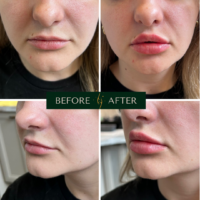
In the journey towards facial balancing, we HAVE to address the lips! And NO! I am not talking about duck clips, big lips, wide lips, flat lips. I’m talking about enhancing YOUR natural lip shape that you have in order to fit the overall aesthetic of your face in a very NATURAL way. How Lip Filler Enhances Natural Lip Shape and Facial Balance In younger patients who don’t have significant volume loss or upper lip droop, a little lip plump with very lightweight filler does the trick effectively. 0.5 cc to 1 cc can make a big difference. You can achieve such natural looking results without looking overdone. It is key in the overall facial balancing process. As we get older, the area above our top lip loses laxity and can make our top lip droop, making it look thinner and smaller. We also lose volume, which can exacerbate this. Lip filler can help restore shape and volume. Also, supporting the philtrum columns (the two vertical lines between your nose and your top lip) can help pull the lip up for support and add volume without actually adding more filler in the lip. Effectively making you look… Younger. It is a fairly quick procedure, giving you the biggest bang for your buck in terms of your investment in your facial aesthetics. Most fillers last 9 to 12 months, if not more. If you have a high pain tolerance, topical numbing cream can help take the edge off. But if you are quite sensitive to pain, we can do a nerve block as well. Downtime is minimal. So what are you waiting for?
Want a radiant age-defying glow to your skin?
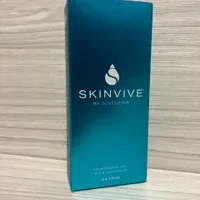
How SKINVIVE Improves Skin Hydration, Smoothness, and Radiance There is a whole field dedicated to the science of aging. Briefly, as we age, we tend to slowly lose the structural integrity of skin leading to decrease is healthy fat pads, thinning of blood vessels, decline in collagen, overall hydration status and much more. These processes directly result in the outward appearance of aging. But, can we support the appearance of aging with external treatments? Absolutely! Here comes Skinvive by Allergan Aesthetics. Skinvive is a hyaluronic acid (which naturally occurs in your body), in microdroplet form. This is injected in the dermal layer of the skin – specifically the cheek and periauricular area where hydration loss can have the greatest effect. This attracts your body’s natural moisture which results in a vibrant, radiant age-defying skin. Also, those pesky fine lines and even the nasolabial folds? Skinvive can reduce the appearance of these as well. On top of it all, it lasts up to 6 months! Skinvive can be a great treatment by itself, or be combined with neurotoxin and traditional HA fillers for an overall full facial rejuvenation. Aging…or should I say anti-aging keeps