


Arizona’s sunshine is one of the state’s greatest assets — but it comes with a cost. With some of the highest UV index readings in the country, Arizona’s desert climate creates conditions that accelerate skin aging, increase the risk of skin cancer, and compromise the results of even the most advanced aesthetic treatments.
At SculptMe Aesthetics, daily SPF use is one of the most important recommendations we make to every patient — regardless of skin type, age, or treatment history. This guide explains why.
Arizona’s Sun Environment: What Makes It Different
Not all sun exposure is equal. Arizona consistently ranks among the states with the highest solar UV radiation levels, and the desert climate compounds that intensity in several ways:
- Extreme UV radiation: Sunlight is stronger at higher altitudes and in arid regions with less atmospheric filtration.
- Low humidity and dry air: Moisture loss accelerates surface dehydration, weakening the skin’s natural barrier.
- Year-round exposure: Unlike northern states, Arizona’s UV index remains elevated even in cooler months — and on overcast days.
- Prolonged heat: Chronic heat exposure triggers inflammation at the cellular level, contributing to sensitivity and accelerated aging.
The result: sun damage in Arizona accumulates faster, and its effects tend to appear earlier than in less extreme climates.
What SPF Actually Does
Sun Protection Factor (SPF) measures how effectively a sunscreen shields the skin from ultraviolet radiation — specifically UVB rays, which are the primary cause of sunburn and DNA damage. Broad-spectrum formulas also protect against UVA rays, which penetrate more deeply and are responsible for premature aging and collagen breakdown.
Consistent SPF use helps prevent:
- Fine lines and wrinkles caused by UV-induced collagen degradation
- Hyperpigmentation and sun spots
- Uneven skin tone and texture
- Loss of skin elasticity
- Increased skin cancer risk
- Compromised post-treatment results
How UV Exposure Accelerates Skin Aging
UV radiation breaks down collagen and elastin — the structural proteins responsible for firm, supple skin. This process, known as photoaging, is responsible for the majority of visible signs of aging: deep lines, sagging, rough texture, and persistent discoloration.
In Arizona’s climate, photoaging progresses more rapidly than in most parts of the country. Many patients who come to us in their 40s and 50s are actually managing years of cumulative sun exposure that began in their 20s. Prevention is always more effective — and more economical — than correction.
Common signs of cumulative sun damage include:
- Persistent dark spots and uneven pigmentation
- Redness or visible capillaries
- Skin laxity and sagging
- Rough, thickened texture
- Fine lines concentrated around the eyes and mouth
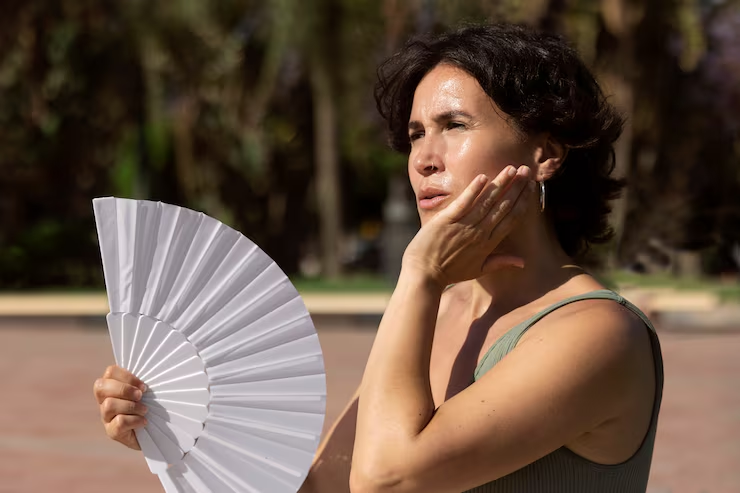
UV Exposure Happens Every Day — Even Indoors
One of the most common misconceptions we encounter is that sunscreen is only necessary at the pool or on beach days. In reality, UV rays reach the skin in far more routine circumstances:
- Through car windows (UVA rays penetrate glass)
- Through office or home windows
- During brief outdoor errands
- During morning and evening walks
- On cloudy or overcast days
In Arizona, even low-level daily exposure — a short walk to your car, a few minutes waiting outdoors — accumulates meaningfully over time. This is why we recommend SPF as part of a daily skincare routine, not a situational one.
How to Choose the Right SPF for Arizona
Not all sunscreens offer the same level of protection. When selecting a formula appropriate for Arizona’s conditions, look for:
- Broad-spectrum protection: Guards against both UVA and UVB rays
- SPF 30 or higher: SPF 30 blocks approximately 97% of UVB rays; SPF 50 blocks approximately 98%
- Water and sweat resistance: Important in Arizona’s heat
- Lightweight, non-comedogenic formulas: Suitable for daily wear without clogging pores
For patients with sensitive skin or those recovering from aesthetic treatments, mineral sunscreens containing zinc oxide or titanium dioxide are generally preferred. These ingredients sit on the surface of the skin and physically reflect UV rays, rather than absorbing them chemically.
We’re happy to recommend specific formulas based on your skin type during your consultation.
How Often Should You Reapply?
A single morning application is often insufficient, especially during outdoor activity. General guidelines for reapplication in Arizona’s conditions:
- Every two hours when outdoors
- Immediately after swimming or heavy perspiration
- After toweling off, regardless of the formula’s water-resistance rating
For patients who spend the majority of their day indoors, a morning application of SPF 30+ is typically adequate — with reapplication any time extended outdoor exposure occurs.
SPF Is Essential After Aesthetic Treatments
Sun protection becomes especially critical following medical aesthetic procedures. Treatments including microneedling, chemical peels, laser resurfacing, and PRP facials temporarily increase skin sensitivity and, in some cases, the likelihood of post-inflammatory hyperpigmentation.
Without diligent SPF use in the days and weeks following treatment, patients risk:
- Hyperpigmentation and dark spots at treatment sites
- Prolonged redness and inflammation
- Delayed healing
- Reduced or reversed treatment results
At SculptMe Aesthetics, post-treatment sun protection guidance is included in every patient’s aftercare plan. Protecting your investment in your skin is an integral part of achieving and maintaining the best possible outcomes.
Additional Sun Protection Strategies
SPF is the foundation of sun protection, but a comprehensive approach includes:
- Broad-brimmed hats and UV-protective sunglasses
- Seeking shade during peak UV hours (10 AM – 4 PM)
- Wearing lightweight, long-sleeved clothing for extended outdoor activity
- Staying well hydrated to support skin barrier function
- Incorporating antioxidant serums (particularly Vitamin C) into your morning routine to neutralize UV-generated free radicals
Final Thoughts from Dr. Davé
Sunscreen is the single most evidence-backed anti-aging investment available — and in Arizona, it’s not optional. Whether you’re focused on preventing premature aging, maintaining the results of a recent treatment, or simply protecting your long-term skin health, daily SPF is the cornerstone of any effective skincare plan.
At SculptMe Aesthetics, we develop personalized skincare protocols for Arizona living — factoring in our climate, your skin type, and your treatment history. If you’re unsure where to start, or would like guidance on integrating sun protection into your current routine, we’d love to connect.