Botox Myths vs Facts: A More Real-Life Explanation

If you’ve been looking into the Best Botox Treatment in Glendale, you’ve probably heard a mix of good and bad stories. Some make it sound life-changing. Others make it sound scary. The truth is somewhere in the middle. It depends on so many factors. Your anatomy, injector skill, product use, budget constraints, and overall comfort during the treatment. Here are some myths about Botox, or any tox in general. Myth: “Botox freezes your face” This is the fear almost everyone has. Yes, if too much is used, the face can look stiff. But that’s not the goal. A well-done Botox Treatment should just soften lines. You can still smile, laugh, and look like yourself. Nothing dramatic. A good injector will be careful about placement, dosing, results desired by the patient, comfort of the patient, type of product used, and individual anatomy. My personal motto is, “GOOD Botox looks like you don’t NEED Botox!” Myth: “It’s only for older people” Not necessarily. Some people start when lines are already deep. Others start earlier when they notice lines sticking around longer than they used to. It’s more about preference than age. I usually recommend starting in the early 30s for most people for anti aging purposes. Myth: “Botox isn’t safe” Botox has been used for decades in both medical and cosmetic treatments. When done properly by a trained, licensed provider, it’s considered safe. Dr Davé at SculpMe Aesthetics focuses on careful placement and the right amount, which is what really matters. Myth: “Results are instant” Botox takes a few days to start working and around two weeks to see the full effect. That’s why it is recommended to get your treatment about 1-2 weeks prior to any event. Most treatments last about 3-4 months. Myth: “Botox is only for forehead wrinkles” Forehead lines are a common treatment area, but people also use it for frown lines, crow’s feet, lip plumping, chin contouring, modest jowl reduction, bunny likes, and much more! It all depends on the patients’ concern areas and treatment goals. Book Your Botox Consultation in Glendale Myth: “Once you start, you can’t stop” You can stop anytime. Botox results fade gradually over 3-4 months. If you stop getting treatments, your face just returns to its normal movement over time. Nothing suddenly gets worse or better. Myth: “More Botox works better” Actually, more can look less natural. The Best Botox Treatment in Glendale is usually the one that looks subtle and balanced, not obvious. Again, refer to my motto up top! Myth: “Botox gets into your blood stream” Short answer is No, There is quite a bit of propaganda out there about this. Studies after studies have tried to measure detectable levels of Botox in bloodstream but there is no evidence for this. The way tox is injected and the kind of a glycoprotein it is- it does not get into your blood stream to cause any issues. It is easily metabolized by your body as well. Final Thought Botox doesn’t have to look dramatic. For most people, it’s just about looking a little more rested and feeling more confident. Having the right expectations and going to experienced professionals makes a world of difference.
Botox in Your 20s, 30s, and 40s: What Changes and Why

People always ask, “What age should I start Botox?” There isn’t a straight answer. Mostly because faces don’t age on a schedule. Botox itself doesn’t change your face does. And that’s why Botox looks different at 25, 35, and 45. Botox in Your 20s What’s Going On In your 20s, most lines aren’t real wrinkles yet. They show up when you raise your eyebrows or frown and then disappear. Skin still heals fast. Collagen is still doing its job. You’re not aging badly. You’re just expressive. When People Start Botox Usually not because of wrinkles.It’s more like: How Botox Is Used Very small amounts. Sometimes just one area. Sometimes even less than people expect. The idea is not to freeze anything. Just to calm the muscle down a little so it doesn’t keep folding the skin in the same place again and again. If it’s noticeable, it’s too much. Botox in Your 30s What Changes Here This is when people start saying, “Why isn’t this line going away?” Forehead lines stay faintly visible. The area between the brows can look tight even when you’re relaxed. Nothing dramatic — just persistent. When Botox Actually Helps This is usually the best time to start if you haven’t already. Lines are forming, but they’re not deep yet. Botox can soften them instead of trying to chase them later. How Treatment Feels Different There’s more planning involved now. Dosing is still conservative, but placement matters more. The goal is not smooth skin. The goal is a rested face that still moves. Botox in Your 40s What’s Different Now Skin doesn’t bounce back the same way. Muscles have been moving in the same pattern for decades. Lines are deeper. They’ve had time to settle in. When Botox Makes Sense Botox won’t erase everything — and it shouldn’t try to. It works best here to relax strong muscle movement that keeps making lines deeper. It helps stop things from getting worse and softens what’s already there. How Botox Is Approached More customized. More balanced. Often combined with other treatments. At this stage, Botox is part of a bigger plan, not a quick fix. Why Botox Shouldn’t Be the Same at Every Age Doing the same Botox treatment at 25 and 45 doesn’t make sense. The face isn’t the same. The skin isn’t the same. The muscles aren’t the same. Good Botox changes with you. What Actually Matters Botox isn’t about looking younger. It’s about looking less tense. Less tired. More like yourself. When it’s done well, no one should be able to tell you had anything done.
Preventative Botox
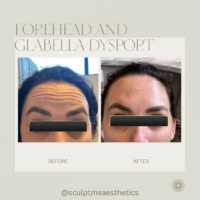
Preventative aesthetic treatments, especially neurotoxins (such as Botox, Jeuveau, Dysport and others) are a bit of a hot topic. So here’s a little bit of a background in order to understand why “preventative” treatments are recommended by some injectors. When we are young, we don’t have wrinkles or skin folds as we have not had years of use or wear and tear of our skin, muscles, and facial fat pads. We have that young & plump looking skin. But overtime, with persistent use of our facial muscles and other age related factors, we develop skin folds and wrinkles. Genetics also has a big part in this. Some wrinkles can be dynamic – meaning that we only see them when we make certain facial expressions. Some wrinkles and folds can be quite static – meaning that we see them even at our resting no-expression face. Of course, the presence of these fine lines and wrinkles allude to the aging process. So, people have been trending towards injecting Botox earlier in life so that they use a particular muscle lesser so than usual. This lack of use can help prevent the formation of dynamic & static wrinkles, fine lines, and folds; ultimately slowing the appearance of normal aging. In theory, it sounds great. And I do think there is some merit to it. But all of this does not come without concerns. One of the biggest concerns is developing antibodies/resistance to these toxins. A lot of younger patients tend to use lower doses of Botox or other neurotoxins to achieve their desired results. But if started early, there is a possibility of developing antibodies. Luckily, we have other neurotoxins that can take place if you do develop antibodies to a particular brand. And so far all of them are pretty efficacious regardless. Ultimately it just depends on your personal preference. Until there are major studies out there, recommending one way or the other, I think preventative “lower dose” Botox can be used to avoid from having to use higher doses of Botox or even fillers down the road and preserving a younger facial aesthetic.